

Why Renovation Is the New Investment: Transforming Spaces, Increasing Value
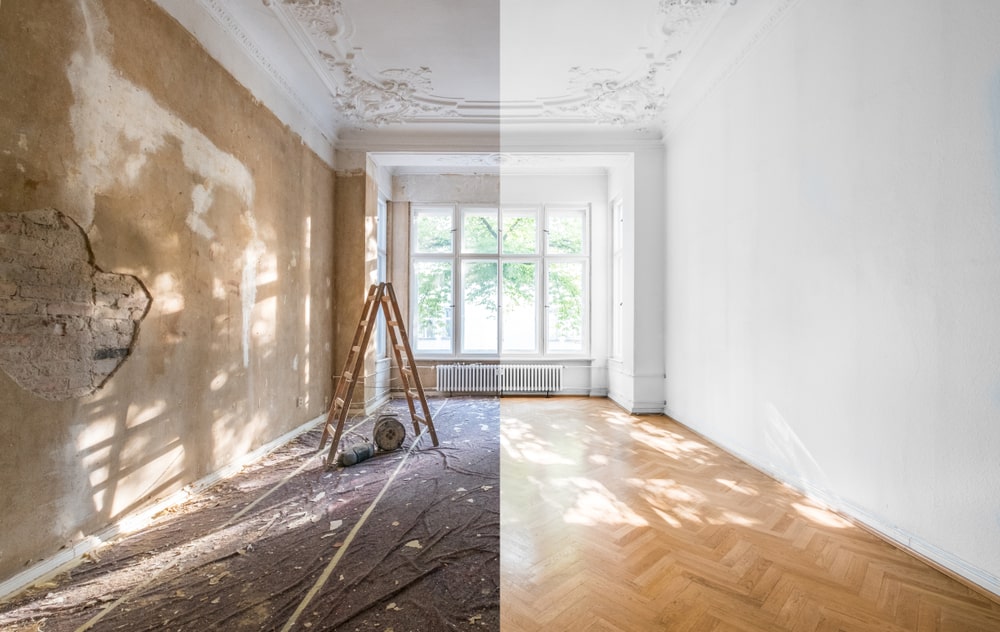
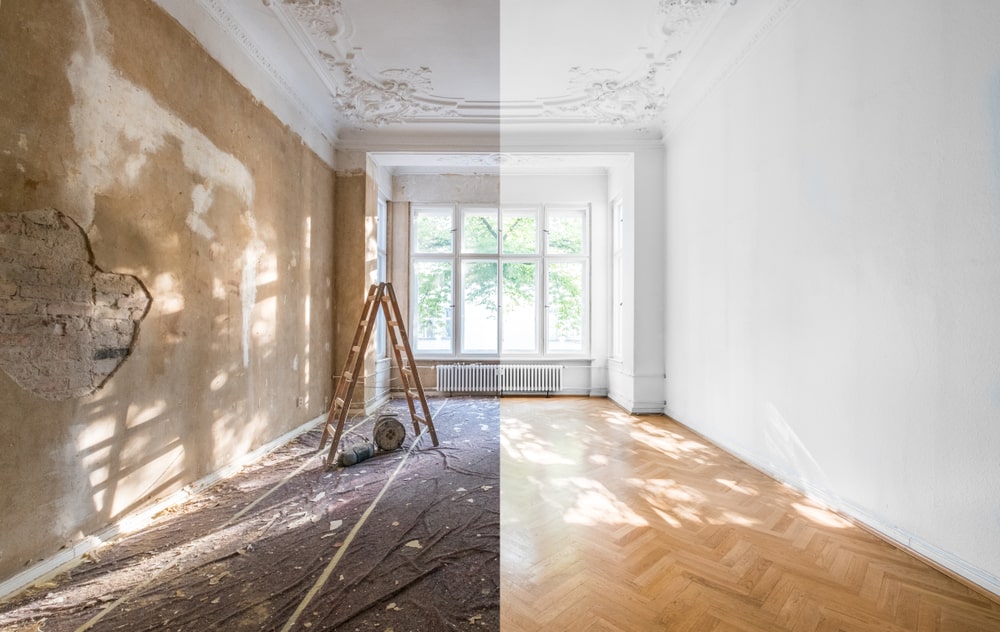
In today’s real estate and economic climate, more homeowners and property investors are recognizing that strategic renovations are not just about aesthetics, they are powerful tools for enhancing both quality of life and long-term financial return. Instead of navigating a competitive and costly housing market, many are choosing to upgrade the homes they already live in. A well-executed renovation, whether a modern kitchen remodel, a bathroom transformation, or a full-scale interior redesign can significantly increase a property’s market value. Buyers and renters are increasingly drawn to updated, energy-efficient, and beautifully designed homes, making these upgrades highly profitable. Beyond resale value, renovation enhances the functionality and comfort of a living or working space. For families, a smart layout can create a better flow and connection in shared areas. For businesses, modernized interiors can boost productivity, improve customer impressions, and reflect the brand’s professionalism. Renovation also gives homeowners more control over their surroundings, allowing them to express personal style while addressing specific needs like accessibility or storage. Additionally, renovations present the opportunity to incorporate sustainable solutions, such as improved insulation, LED lighting, and water-saving fixtures. These upgrades not only reduce environmental impact but also lower utility costs in the long run. In essence, renovation is a smart and forward-thinking investment. It adds tangible and intangible value to your property while making your daily life more beautiful, functional, and efficient.
Urban development presents unique challenges, including space constraints, zoning regulations, and community impact. As cities continue to grow, finding innovative solutions to these challenges is crucial. Strategies such as mixed-use developments, green spaces and sustainable transportation can transform urban areas into vibrant communities. Engaging with local stakeholder.